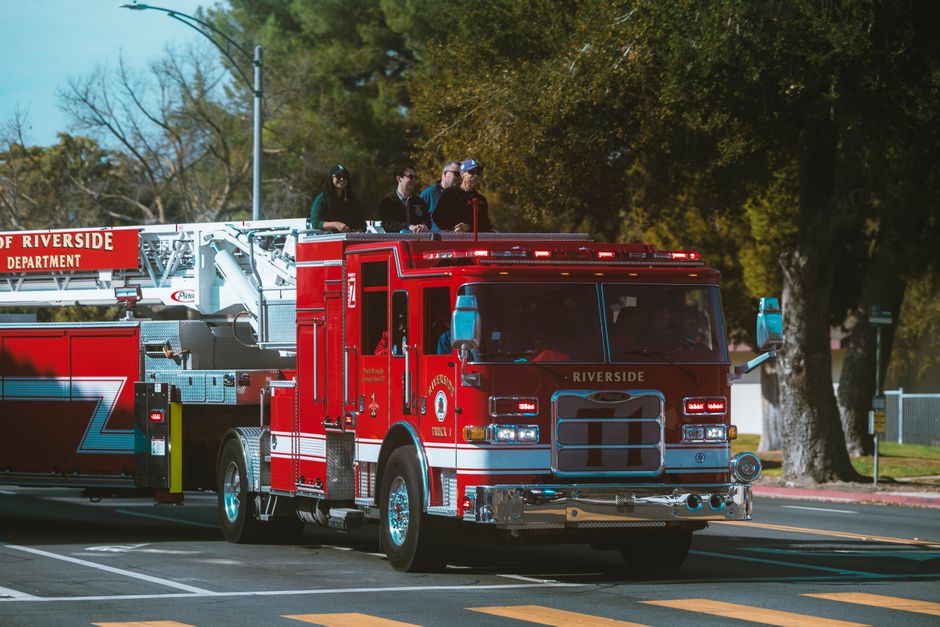
Emergency tree and garden clearance Tolworth urgent response
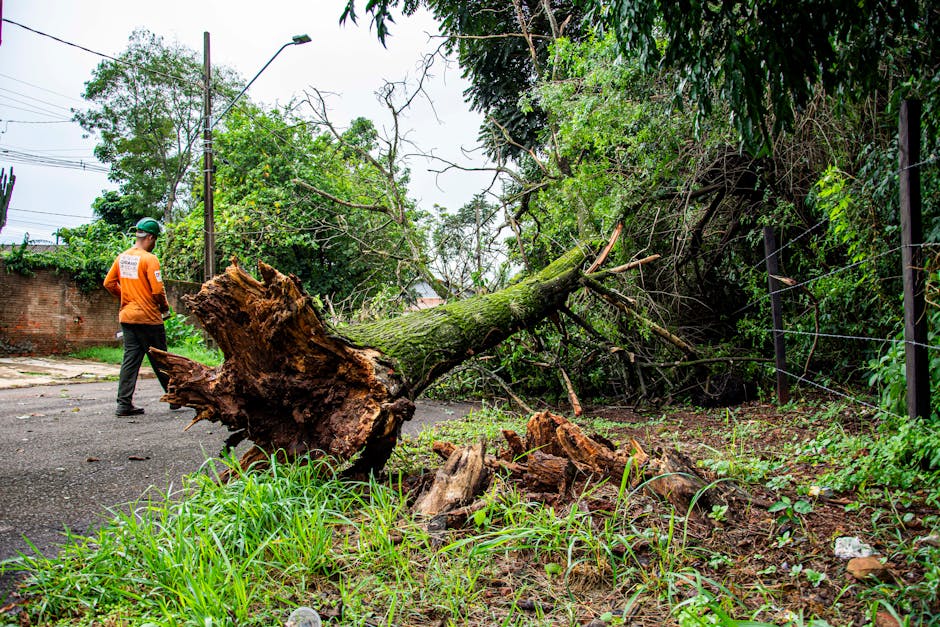
When a tree comes down in a storm, a fence is pinned by branches, or your garden has become unsafe overnight, you do not need a long explanation - you need action. Emergency tree and garden clearance Tolworth urgent response is about getting dangerous, obstructive, or storm-damaged outdoor spaces made safe quickly, with as little disruption as possible. In real life, that might mean clearing access to a driveway before school run time, removing a fallen limb before it damages a roof, or opening up a tangled garden after a night of heavy wind.
This guide walks you through what urgent clearance involves, how the process usually works, what to expect from a professional response, and how to make sensible decisions when time is tight. It also covers safety, compliance, common mistakes, and a practical checklist you can use straight away. If you are dealing with a messy, risky, or partially blocked garden, you are in the right place. Let's make it manageable.
Why urgent tree and garden clearance matters
Urgent clearance is not just about tidiness. In many situations, it is about reducing immediate risk. A broken branch hanging over a path, a fallen tree leaning against a structure, or windblown debris scattered across a shared access route can become a genuine hazard very quickly. In a busy place like Tolworth, where homes, side access paths, and shared boundaries can be close together, that risk can spread beyond one garden in a matter of minutes.
There is also the practical side. A blocked entrance means deliveries cannot get in. A saturated, shredded lawn can be hard to inspect for hidden damage. Dense debris can conceal broken glass, nails, sharp timber, or unstable roots. To be fair, a garden that looks merely "a bit untidy" after a storm can hide quite a lot underneath.
Professional emergency tree work and garden clearance helps you move from uncertainty to control. It gives you a safe starting point: what is dangerous, what can wait, what needs specialist equipment, and what should be left alone until conditions improve.
If the storm damage has also affected climbing plants, hedges, or overgrown boundaries, it is often worth reviewing longer-term prevention too. Useful background reading such as safeguarding your garden against severe weather and complete ivy removal and prevention can help you spot the weak points before the next rough spell arrives.
Expert summary: the best emergency clearance is calm, methodical, and safety-led. Quick does not mean careless. The goal is to make the space safe first, then restore order properly.
How urgent response works
Although every callout is different, a sensible emergency clearance process usually follows the same broad pattern. First comes assessment. The priority is to understand whether the situation involves a fallen tree, a hanging limb, windblown shrubs, blocked access, or a wider garden collapse such as a damaged fence line or disturbed bed borders. This is where clear photos or a quick description can save time.
Next comes the safety decision. Some jobs can be made safe immediately. Others need a staged response, especially if there is risk around power lines, unstable timber, damaged structures, or restricted access. Good judgement matters here. A rushed cut on a loaded limb can make things worse, not better. Nature has a habit of keeping you honest.
After that, the team plans the clearance route. This can mean sectioning down a branch, moving waste to a safer stacking area, removing lightweight debris first, or protecting surfaces such as patios, decking, and lawns before heavy material is shifted. Where appropriate, a professional may also coordinate related work through tree surgery, general gardening services, or follow-up support like fencing repairs.
Finally, the site is cleared, checked, and left in a safer condition. Depending on the scale, that might mean full removal, partial reduction, chipper-based processing, loading green waste for disposal, or simply opening up access and making the remaining area stable enough for later restoration.
Key benefits and practical advantages
The obvious benefit is safety, but urgent clearance delivers more than that. In a real-world sense, it helps you stop one problem from turning into three or four. A cracked branch can become a roof repair. A blocked path can become a fall risk. Wet debris left in place can become slippery, foul-smelling, and harder to remove after it has compacted underfoot.
Another benefit is speed of decision-making. When a professional assesses the damage quickly, you can usually avoid the "should we wait and see?" paralysis. That is a stressful place to be, especially if the weather is still changeable. A firm plan is calming. Honestly, people often look visibly relieved once they know the next step.
There is also the issue of preserving what can still be saved. Emergency clearance is not always about removing everything. Sometimes it is about selective cutting, careful reshaping, and protecting healthy growth. That is where a broader garden recovery mindset helps - the kind you also see in thoughtful maintenance content like routine garden maintenance, lawn care, and even practical seasonal planning ideas from winter plant care.
- Reduces immediate safety risks around broken timber, unstable shrubs, and blocked access.
- Helps protect homes, patios, sheds, and boundaries from further damage.
- Restores usable access more quickly for vehicles and pedestrians.
- Makes follow-up restoration easier and less expensive.
- Can prevent hidden hazards from being left in the garden overnight.
Who this is for and when it makes sense
This service makes sense for homeowners, landlords, letting agents, property managers, and anyone responsible for a private or shared outdoor space in Tolworth. It is especially relevant after high winds, heavy rain, or snow loading, but it is not only a weather-related service. Sometimes the "emergency" is simply that a diseased limb has split unexpectedly, a hedge has collapsed into a walkway, or overgrowth has been pushed into dangerous positions by repeated wind exposure.
If you are dealing with a small amount of garden mess, it may be enough to schedule a normal visit. If there is a real hazard, delay is a poor idea. Think of it this way: if you need to step around the issue, duck under it, or avoid using part of the property, then urgent clearance is probably justified.
It is also sensible when there are vulnerable people nearby - children, older residents, pets, or neighbours who share access. A loose branch near a boundary can be more than your problem. It can become everyone's problem, and fast.
For garden owners who want to reduce repeat issues, the long game matters too. You may find useful planning ideas in navigating excessive winds with skill and fast-growing privacy hedges, especially if boundary cover is exposed and repeatedly battered.
Step-by-step guidance
If you are trying to handle a sudden garden clearance problem, the key is to stay methodical. The following steps keep things practical and reduce the chance of making the situation worse.
- Stay back and assess from a safe distance. Do not tug branches, climb over debris, or stand beneath hanging limbs.
- Check for obvious danger. Look for leaning trees, exposed roots, shattered glass, broken fences, or damage close to the house.
- Keep people and pets away. If possible, block access to the affected area right away. A simple visual barrier is better than nothing.
- Take clear photos. These help explain the problem and can support insurance discussions if relevant.
- Describe the access points. Mention narrow gates, shared driveways, steep slopes, or parked vehicles that may affect the response.
- Separate the obvious from the uncertain. Light debris may be safe to move later; structural damage or unstable timber should be treated as priority work.
- Arrange the clearance in the correct order. Safety first, access second, tidy-up third, restoration last.
That last point is easy to forget. People often want the garden to look finished immediately, but emergency work is usually about getting it safe and workable before anything else.
If the site has become heavily overrun, a related follow-up may involve hedge trimming, patio cleaning, or even a broader tidy-up through lawn mowing once the urgent debris has been removed.
Expert tips for better results
Small decisions make a big difference in emergency work. One of the best tips is to be brutally clear about the problem. "There's a branch down" is useful, but "a large branch is resting against the shed and the rear gate is blocked" is much better. Specifics help a lot.
Another useful approach is to prioritise the line of risk, not the line of mess. The biggest pile of leaves is rarely the main issue. The heavy branch under tension, the split trunk, the raised root plate, or the leaning fence panel usually is. That little shift in thinking saves time and avoids unnecessary panic.
In wet weather, surfaces can be slippery in a way that catches people out. Decking, paving, and compacted mud all behave differently. One minute your garden looks manageable; the next you are sliding a bit and regretting your trainers. If there is any doubt, stop and wait for proper help.
It also pays to think ahead about what happens after clearance. A severe-weather garden often benefits from a reset rather than a simple clean-up. You might want to plan future resilience with ideas from ground cover planting, evergreen climbers for shade, or climate-conscious gardening.
Helpful rule of thumb: if a task would require you to stand under unstable material, use improvised ladders, or work with both hands occupied while balancing, leave it alone.
Common mistakes to avoid
The most common mistake is trying to do too much too soon. A rushed attempt to clear a fallen limb with basic hand tools can be risky, especially if the branch is under pressure from other growth or tangled in fencing. What looks like a straightforward job can shift suddenly. That is the part people underestimate.
Another mistake is assuming all debris is harmless. Garden waste after storm damage often hides sharp fragments, damaged fixings, and unstable sections that can move unexpectedly. Old timber can snap in awkward ways. Thorny material can snag clothing and hands. It is rarely as innocent as it first appears.
People also sometimes skip the "make safe" stage and jump straight to tidying. That is backwards. If there is a hanging limb or a leaning tree, a neat pile of leaves does not solve the problem. The hazard is still there, waiting around. Not ideal.
- Do not work beneath unstable branches.
- Do not assume a leaning tree will stay put.
- Do not use damaged ladders or improvised lifting methods.
- Do not forget pets, children, and neighbours who may wander into the area.
- Do not leave wet cuttings and debris where they can rot, slip, or block drains.
One more thing: people often forget the surrounding landscape. A quick clear-up can damage healthy plants, bulbs, borders, or lawns if waste is dragged across them. It is a small mistake, but it leaves a mark.
Tools, resources and recommendations
Emergency tree and garden clearance is one of those jobs where the right equipment matters more than the amount of enthusiasm. For lighter work, basic hand tools and sturdy collection bags may be enough. For heavier debris, a methodical setup with protective gear, cutting tools, and proper waste handling is far more sensible.
When the work is likely to involve stubborn roots, dense growth, or tangled climbing plants, the right planning resources help too. For example, if your clearance reveals deeper maintenance problems, articles on battling weeds, vertical gardening, and turning garden waste into rich soil can be surprisingly relevant once the urgent mess is gone.
| Need | Useful approach | Why it helps |
|---|---|---|
| Blocked access | Immediate debris removal and route opening | Restores safe movement for people and vehicles |
| Storm-damaged tree | Careful sectional removal or controlled reduction | Reduces the chance of further collapse |
| Overgrown, unsafe garden | Selective clearance plus follow-up maintenance | Removes hazards without stripping the space bare |
| Boundary damage | Clear first, then repair adjoining features | Prevents repeated damage and confusion |
If you are comparing services, it helps to look at more than response speed. Ask whether waste removal is included, whether access constraints are manageable, and whether the team is comfortable with both tree-related and general garden clearance work. A company that understands the difference between a simple tidy-up and a safety-led clearance is usually the better bet.
Law, compliance and best practice
Any urgent clearance work should be approached with care around safety, property boundaries, and waste handling. In the UK, the exact legal position can vary depending on land ownership, tree condition, protected status, and the nature of the hazard. If a tree is shared, overhanging, or potentially subject to local restrictions, it is wise to proceed cautiously and keep a record of what was found.
Best practice usually includes clear communication, safe access, suitable protective equipment, and proper disposal of green waste. If there is any chance that the tree or debris is linked to overhead hazards, structural damage, or public access concerns, the work should be assessed before anyone starts cutting. That may sound obvious, but in a rush, obvious things get skipped.
Insurance can also matter. Where damage may lead to a claim, photographs, timestamps, and a clear description of the scene are helpful. You do not need to turn into a claims investigator, but a little documentation goes a long way. For broader reassurance on how a provider handles safety and responsibility, pages such as insurance and safety, health and safety policy, and terms and conditions are worth reviewing before booking any work.
Waste should be handled responsibly too. Green material, soil, timber, and mixed debris are not all the same thing. Proper separation makes disposal cleaner and keeps the job aligned with sensible environmental practice.
Options, methods and comparison
Not every emergency clearance needs the same method. Some jobs are simple and some are a bit of a puzzle. Here is a practical comparison of common approaches.
| Method | Best for | Pros | Limitations |
|---|---|---|---|
| Light manual clearance | Small debris, loose branches, scattered leaves | Quick, low-disruption, good for simple access issues | Not suitable for unstable or heavy material |
| Selective tree reduction | Partially damaged trees, overextended limbs | Preserves more of the tree while reducing danger | Needs judgement and proper cutting technique |
| Full removal | Severely compromised trees or repeated failures | Eliminates the immediate hazard fully | More disruptive and often followed by stump or site work |
| Clear-and-restore approach | Storm-damaged gardens needing a broader reset | Balances safety with longer-term recovery | Can take more time and planning |
The best option depends on what is actually damaged, not just what looks untidy. A stripped-back approach can be ideal for a messy but stable garden. A more involved intervention is better if the tree structure itself is failing. You want the right level of response, not the biggest one.
Case study or real-world example
Here is a realistic example. After a windy night in Tolworth, a homeowner finds that a mature branch has split away from a tree near the rear boundary. The branch has not fully fallen, but it is resting awkwardly across part of the garden and pressing into a fence panel. The gate is usable, just, but not comfortably. There are broken twigs on the lawn, shredded leaves across the patio, and a noticeable creaking sound when the wind picks up again.
Rather than trying to pull the branch free, the homeowner takes photos from a safe distance, keeps the area clear, and arranges an urgent inspection. The clearance focuses first on making the branch stable and the access route safe. Debris is removed in stages so the patio is not scratched and the nearby border plants are not flattened. Once the hazard is gone, the team checks for hidden damage to the fence line and advises on follow-up maintenance.
What made this work well was not speed alone. It was the order of operations. The job started with safety, moved to access, then shifted to tidy-up. That is the rhythm that usually works best. Calm first. Then clean. Then rebuild the space properly.
For the property owner, the benefit was immediate: the garden was usable again, the fence damage was easier to assess, and the next steps were clear. No drama, no guesswork, no leaving it until "the weekend" and hoping the wind stayed polite.
Practical checklist
Use this checklist if you are dealing with urgent tree or garden clearance and want to stay organised.
- Keep everyone away from the affected area.
- Check for hanging branches, leaning stems, and unstable roots.
- Look for damage to roofs, fences, sheds, paving, or drains.
- Take photos before anything is moved.
- Note access points, locked gates, and parking restrictions.
- Separate obvious green waste from hazardous debris where safe to do so.
- Do not climb, cut, or tug on unstable material.
- Plan for waste removal and follow-up restoration.
- Ask about safety procedures and insurance where relevant.
- Book further garden care if the site needs a proper reset.
Quick reminder: if you are hesitating because the damage looks awkward or unpredictable, that hesitation is probably sensible.
If you want to talk through a situation, the simplest next step is to get in touch through the contact page and explain what has happened as clearly as you can. A concise description plus a few photos is usually enough to start the conversation properly.
Conclusion
Emergency tree and garden clearance in Tolworth is really about restoring control when the outdoor space stops behaving normally. Whether the problem is storm damage, fallen debris, a collapsed hedge, or a tree that has become unsafe, the right response is measured, practical, and focused on the risks that matter most. That is what saves time, protects property, and keeps the situation from becoming a bigger headache than it already is.
The best outcomes usually come from clear thinking: assess safely, make the area secure, clear the most dangerous material first, and then deal with the tidy-up and restoration afterwards. Simple in theory, not always simple in practice. But manageable. And that is the point.
Get a free quote today and see how much you can save.
When the garden feels like it has had the last word, a steady, experienced response can make all the difference - and leave you with a space that feels calm again.
Frequently Asked Questions
What counts as an emergency tree and garden clearance job?
Anything that creates an immediate safety issue, blocks access, or risks further damage can count. That includes fallen branches, leaning trees, broken fences caused by storm debris, and heavily obstructed paths or driveways.
How quickly can urgent clearance usually happen in Tolworth?
It depends on weather, access, and the scale of the problem. A straightforward job may be arranged quickly, while a more complex or unsafe site needs a more careful staged response. Speed matters, but safety comes first.
Can I clear a fallen branch myself?
Only if it is small, clearly stable, and safe to handle from the ground. If the branch is under tension, resting on a structure, or tangled in other growth, leave it alone and get a professional assessment.
What should I do before the team arrives?
Stay clear of the hazard, keep children and pets away, take photos if it is safe to do so, and make a note of any access issues. A clear description helps the response move faster.
Will emergency clearance remove everything from the garden?
Not always. The goal is usually to make the space safe first. Some jobs require full removal, while others only need selective clearance and stabilisation before follow-up work is planned.
Is storm damage covered by insurance?
Sometimes, but that depends on the policy and the exact circumstances. If you think a claim may be involved, keep records, take photos, and speak to your insurer promptly. It is sensible, even if the paperwork is not anyone's favourite job.
What if the tree is near a fence or shed?
That makes the job more delicate. The clearance needs to account for structural damage, hidden movement, and the safest route for removing material without causing additional harm.
Do I need to arrange follow-up maintenance after clearance?
Often yes. Once the immediate hazard is gone, many gardens benefit from hedge trimming, lawn recovery, pruning, or broader maintenance to stop the same problems repeating after the next spell of bad weather.
How do I know whether the job is urgent enough to call for help now?
If you cannot safely use part of the garden, if access is blocked, or if something looks unstable, it is usually urgent enough. When in doubt, treat it as a safety issue rather than a tidy-up.
Can urgent clearance be done in bad weather?
Sometimes, but only when conditions are safe enough for controlled work. High winds, poor visibility, or extreme slip risk can mean the response has to wait briefly or be scaled back to essential safety steps only.
What happens to the waste after clearance?
Good practice is to separate and remove green waste responsibly, with proper handling for timber, branches, and mixed debris. The exact process depends on the job, but leaving piles behind is not usually the end goal.
What services might I need after the emergency is dealt with?
That depends on what was damaged. Some people need tree surgery, while others need garden maintenance, fencing repairs, patio cleaning, or lawn care to get the site fully back on track.