 020 3744 3778
Healthy Living: Beginning Your Herb Garden Venture
Posted on 19/06/2025
The journey toward healthy living can take many paths, but one of the most satisfying and sustainable routes is starting your very own herb garden. Whether you have a spacious backyard or a small apartment balcony, growing fresh herbs at home offers countless benefits for your body, mind, and even your wallet. Embark on your herb garden adventure today and discover how nurturing nature can empower your pursuit of health and wellness.
Why Choose a Home Herb Garden for Healthy Living?
A home herb garden is more than just a beautiful patch of green. It is a practical, rewarding resource for healthy meals, natural remedies, and mindful living. Below are a few compelling reasons to prioritize starting a herb garden for improved well-being:
- Freshness at Your Fingertips: Snip what you need, when you need it. Fresh herbs pack more flavor and nutrients than their store-bought, dried counterparts.
- Reduce Harmful Chemicals: Homegrown herbs are free from pesticides and preservatives often found in commercially grown varieties.
- Cut Grocery Expenses: Growing your own basil, parsley, or mint eliminates the need for frequent herb purchases.
- Therapeutic Benefits: Gardening promotes mindfulness, reduces stress, and has been linked to better mental health.
- Boost Nutritional Value: Adding fresh herbs to meals increases antioxidants, vitamins, and minerals in your diet.

Choosing the Right Herbs for Your Garden
When initiating your herb gardening venture, consider starting with easy-to-grow, versatile varieties. The following herbs are ideal for beginners and offer immense culinary and health benefits:
1. Basil
Beloved in Mediterranean cuisine, basil features aromatic leaves that lift pasta, salads, and sauces. Rich in antioxidants and anti-inflammatory compounds, it's a staple in any healthy kitchen.
2. Mint
Mint grows vigorously and thrives in containers. It's perfect for teas, desserts, and even savory dishes, offering digestive and soothing properties.
3. Parsley
Nutrient-dense parsley adds color and freshness to countless dishes. Packed with vitamin C, K, and iron, it's a must-have for your herb collection.
4. Rosemary
Rosemary is a hardy, fragrant herb that pairs perfectly with roasted vegetables and meats. Its aroma has been shown to boost mood and memory.
5. Oregano
Critical for Italian and Greek cooking, oregano boasts immune-boosting and anti-bacterial qualities.
6. Thyme
Thyme offers versatility for soups, stews, and roasted dishes, and contains anti-microbial and anti-inflammatory properties.
Selecting the Perfect Spot for Your Herb Garden
For a thriving herb garden, location is critical. Most herbs favor a sunny location, ideally receiving six to eight hours of direct sunlight daily. Here's how to pick the prime spot:
- Outdoor Gardens: Opt for a south-facing bed or patio, ensuring easy access to water.
- Container or Balcony Gardens: Use pots placed on a sunny windowsill, balcony, or terrace.
- Indoor Herb Gardens: Supplement natural light with grow lamps if your space lacks sunlight.
Essential Supplies for a Successful Herb Gardening Experience
Setting yourself up for success begins with gathering the right supplies. You'll need:
- Quality Seeds or Seedlings: Purchase from reputable garden centers or nurseries.
- Well-draining Soil: Herbs dislike soggy roots. Use a mix specifically designed for containers if gardening indoors.
- Pots or Raised Beds: Choose containers with drainage holes, or raised beds with loose, nutrient-rich soil.
- Watering Can or Hose: Herbs require consistent, but not excessive, moisture.
- Fertilizer: Use organic compost or balanced, slow-release fertilizers tailored for edible plants.
- Labeling Supplies: Keep track of each herb as they sprout and grow.
Planting and Caring for Your Herb Garden
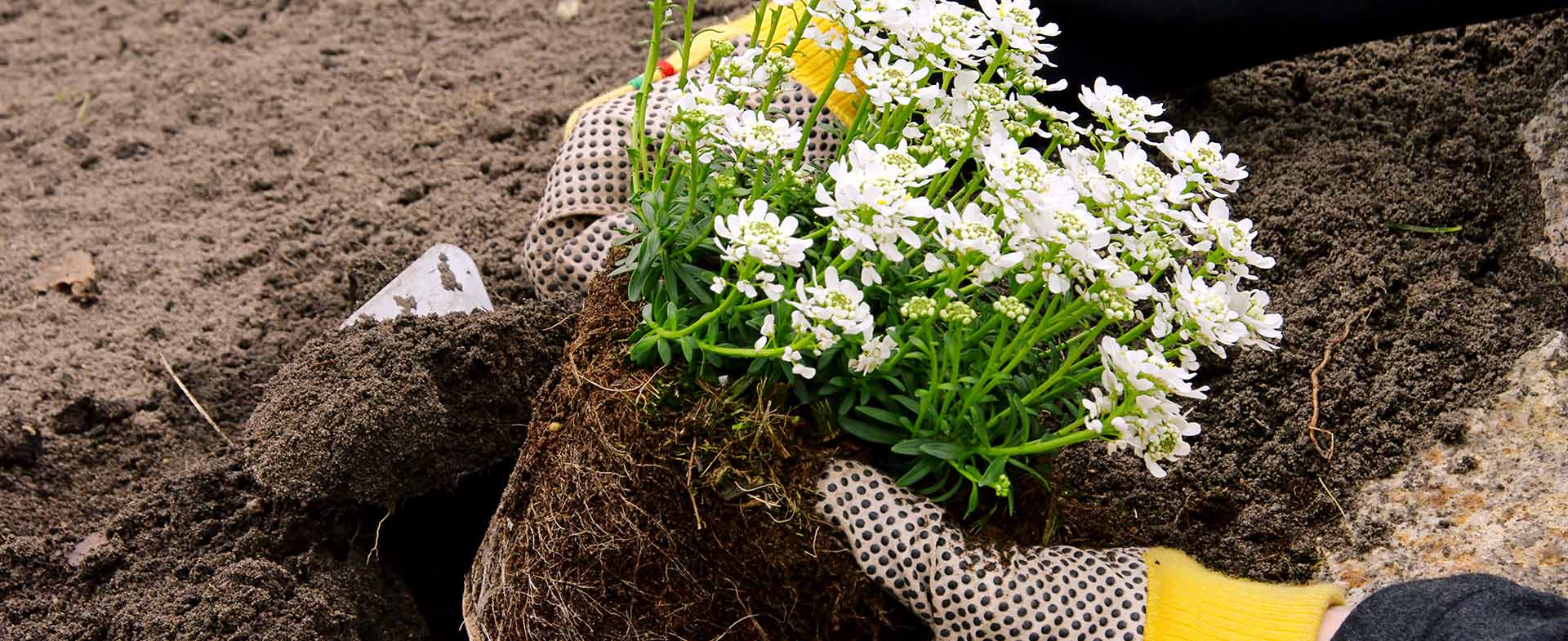
Once you have your supplies, it's time to plant! Following basic guidelines for each herb type ensures your herb garden venture flourishes.
Starting from Seeds vs. Seedlings
- Seeds: More affordable; allows for greater variety and control. Start indoors 6-8 weeks before the last frost, or sow directly into outdoor beds when the weather warms.
- Seedlings: Faster results and more reliable for beginners. Gently transplant into your prepared garden space.
General Planting Tips
- Spacing: Allow ample space for air circulation and growth. Herbs like mint can take over, so confine to pots if necessary.
- Watering: Keep soil evenly moist--water at the base to discourage fungal diseases.
- Feeding: Herbs are not heavy feeders; monthly light feeding with organic fertilizer is usually sufficient.
- Maintenance: Regularly pinch off flowers to prolong leaf production and encourage bushier plants.
Organic and Sustainable Practices for Your Herb Garden Adventure
Cultivating your own herb garden is an ideal opportunity to embrace organic gardening and reduce your environmental footprint, aligning with a holistic approach to healthy living.
- Natural Pest Control: Attract beneficial insects, like ladybugs, or use homemade remedies like neem oil to keep pests at bay.
- Composting: Recycle kitchen scraps to nurture your soil and reduce waste.
- Water Conservation: Mulch to retain soil moisture and use drip irrigation when possible.
Harvesting and Using Your Herbs for Wellness
One of the greatest rewards of your herb gardening experience is harvesting and utilizing fresh herbs to elevate both meals and health:
- Harvest Early and Often: Picking leaves encourages new growth. The best flavor is often before herbs flower.
- Use Immediately: Fresh-picked herbs add vibrancy to dishes, teas, and infusions.
- Preserve the Bounty: Air dry or freeze excess herbs for use throughout the year.
- Explore Medicinal Uses: Many herbs (like lavender and chamomile) offer calming, healing properties in home remedies.
Troubleshooting Common Herb Gardening Issues
Every herb garden faces challenges. Recognizing and addressing them quickly will keep your plants healthy and productive. Common issues include:
- Yellowing Leaves: Indicates overwatering, poor drainage, or nutrient imbalance. Ensure soil drains well and adjust watering routine.
- Pests: Watch for aphids, mites, and caterpillars. Use organic treatments and encourage predatory insects.
- Mildew and Fungi: Prevent by watering at the base, spacing plants well, and improving air flow.
- Leggy Growth: Indicates insufficient light. Move herbs to a sunnier spot or supplement with grow lights.
Creative Ways to Incorporate Fresh Herbs in Healthy Living
An herb garden supports a vibrant lifestyle and can be incorporated into your routine in several creative ways:
- Culinary Delights: Flavors like basil, cilantro, and chives elevate salads, pestos, soups, and main courses.
- Herbal Teas & Tonics: Fresh mint or chamomile steeped in hot water soothes the mind and body.
- Natural Beauty Products: Use rosemary or lavender in homemade facial steams, scrubs, or infusions.
- Aromatherapy: Herb bundles release relaxing fragrances throughout your home.
Health Benefits of Homegrown Herbs
Incorporating fresh herbs grown in your own garden unlocks a multitude of health advantages:
- Rich in Antioxidants: Many herbs neutralize harmful free radicals, lowering disease risk.
- Support Digestion: Herbs like mint and parsley aid digestive health and reduce bloating.
- Anti-inflammatory Effects: Basil, rosemary, and thyme can reduce inflammation in the body.
- Immune System Boost: Oregano and sage are known for their immune-enhancing properties.
- Mental Wellness: Gardening itself reduces stress, while herbs like lavender and chamomile promote relaxation and sleep.
Expanding Your Herb Garden for Continued Healthy Living
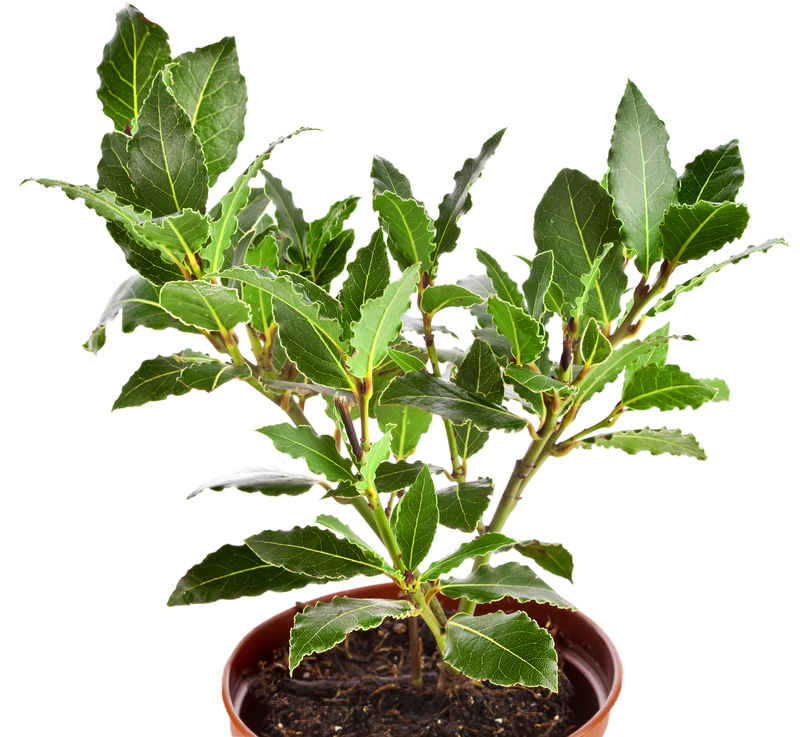
Once you've mastered the basics, consider widening your herb collection. Explore unique and beneficial herbs such as lemon balm, tarragon, dill, chervil, or medicinal varieties like echinacea and calendula. Experiment with companion planting to enhance growth and diversity--a surefire way to keep your herb gardening journey exciting and rewarding.
Engaging Your Family and Community
Getting others involved adds a social dimension to your self-care routine. Share your harvest with neighbors, or contribute fresh herbs to a local food co-op. Engaging children in gardening fosters a lifelong respect for nature and healthy eating habits.
Conclusion: Embrace Healthy Living with Your Own Herb Garden Venture
Beginning your herb garden venture marks a powerful step toward a healthier, more sustainable lifestyle. From nurturing seedlings to enjoying their delightful flavors and health benefits, an herb garden empowers you to make mindful, nourishing choices every day. Whether you are a seasoned gardener or planting your first seed, let your herb garden be your companion on the journey to healthy living.
Start today--your patch of fresh, vibrant wellness awaits just outside your kitchen door!
Latest Posts
Turning Trash into Treasure-rich Soil
Eco-Friendly Gardening Techniques with Dog Safety
Winter Plant Care: Preserving Nature's Beauty in Cold Months